What Is Professional Catering Clothing?
Professional catering clothing includes garments and footwear worn by chefs, kitchen staff, waiting teams and other hospitality employees. Typical examples include chef jackets, chef trousers, aprons, shirts, hats, hair nets and suitable work footwear, selected according to the employee's role and working environment.
Catering uniforms need to balance professional presentation with practicality during long and demanding shifts. Kitchen teams may prioritise comfortable chef jackets, trousers and suitable footwear, while front-of-house staff often need smart clothing that complements the style of the venue.
Stephensons supplies clothing for both back-of-house and customer-facing hospitality roles, making it easier for restaurants, hotels, pubs, cafés and contract caterers to build practical staff uniforms across different departments.
Popular Catering Clothing Categories
Chef Trousers
Shop
chef trousers
designed for professional kitchen and catering environments.
Catering Aprons
Explore
catering aprons
for chefs, kitchen porters, waiting staff and front-of-house service.
How to Choose Catering Clothing
-
Choose clothing for the role:
Chefs, kitchen porters, waiting staff and bar teams have different practical requirements.
-
Prioritise fit and comfort:
Staff may wear uniforms for long shifts, so selecting suitable sizing and freedom of movement is important.
-
Consider the working environment:
Commercial kitchens can be hot and physically demanding, while front-of-house clothing may prioritise presentation and service style.
-
Check garment care:
Review washing and care instructions before choosing clothing for regular commercial use.
-
Consider uniform consistency:
Standardising colours or styles across a team can create a more coordinated professional appearance.
-
Choose appropriate footwear:
Staff should wear footwear suited to their working environment and the tasks they perform.
-
Plan replacement stock:
Additional garments can help cover washing cycles, new starters and damaged clothing.
Catering Clothing by Role
| Role |
Clothing to Consider |
Key Priorities |
| Chef |
Chef jacket, trousers, apron, headwear and suitable footwear |
Comfort, movement and suitability for kitchen work |
| Kitchen Porter |
Aprons, practical clothing and suitable footwear |
Coverage, practicality and ease of movement |
| Waiting Staff |
Shirts, aprons, trousers, waistcoats and ties |
Professional presentation and comfort during service |
| Bar Staff |
Shirts, T-shirts, polos and aprons |
Venue style, movement and practical service |
| Hotel Staff |
Shirts, waistcoats, trousers, tunics and role-specific clothing |
Consistent presentation across departments |
| Contract Catering |
Chef clothing, aprons, tunics, headwear and footwear |
Practicality and consistent team identification |
Chef Jackets for Commercial Kitchens
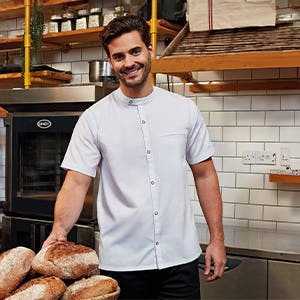
A professional chef jacket forms a core part of many commercial kitchen uniforms. Different styles, colours and fastenings allow businesses to choose garments according to their working environment and preferred appearance.
When selecting
chef jackets
,
consider fit, sleeve length, garment construction and washing requirements as well as appearance.
Chef Trousers
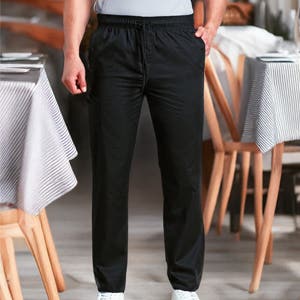
Chef trousers should provide comfortable movement during long periods of standing, walking and working around a busy kitchen. Sizing, waistband style and garment design are therefore important considerations.
Browse
professional chef trousers
for kitchen and catering teams.
Catering Aprons
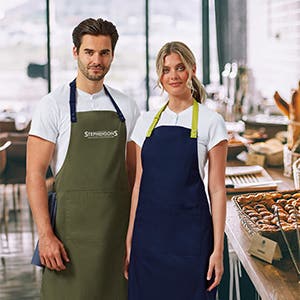
Aprons are used across both kitchen and front-of-house environments. Bib aprons provide greater upper-body coverage, while waist aprons can suit waiting and bar service where staff need easy access to pockets and service accessories.
The wider
catering apron
range includes options for chefs, kitchen porters and customer-facing hospitality teams.
Front of House Uniforms
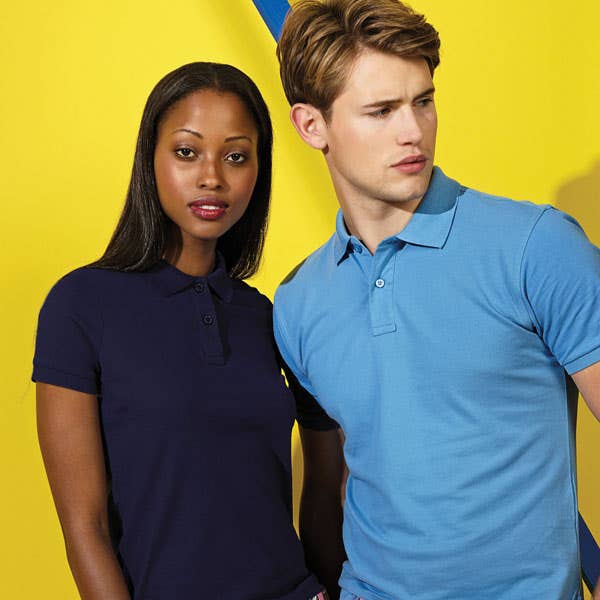
Front-of-house clothing helps distinguish staff while contributing to the overall presentation of a restaurant, hotel, bar or event venue. Uniform style can range from relaxed shirts and T-shirts to more formal combinations using shirts, waistcoats and ties.
Choose clothing that matches the service style of the business while remaining comfortable and practical for staff throughout a shift.
Chef Shoes & Catering Footwear
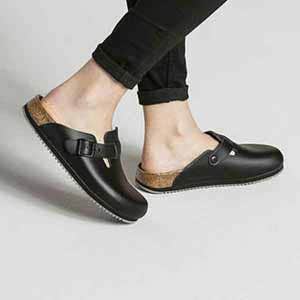
Suitable footwear is an important part of catering clothing because chefs and hospitality staff can spend long periods standing and walking during service.
Catering shoes and clogs
should be selected according to the employee's working environment, fit and individual product specification.
Chef Hats, Caps & Hair Nets
Headwear can form part of a professional kitchen uniform and food-preparation procedure. The
hats, caps and hair nets
range includes options suited to different catering roles and operating environments.
Stephensons' Practical Advice
Build uniforms around the job rather than using exactly the same clothing for every employee. Start with the kitchen and front-of-house teams separately, choose a small number of consistent colours or styles and then make sure each role has the practical garments, footwear and accessories it needs.
Suitable for Hospitality & Catering
- Restaurants and commercial kitchens
- Pubs and gastropubs
- Hotels and function venues
- Cafés and coffee shops
- Takeaways and food-production businesses
- Schools and education catering
- Healthcare and care catering
- Contract caterers
- Events and banqueting
Catering Clothing FAQs
What clothing does a professional chef need?
A typical chef uniform may include a chef jacket, suitable trousers, apron, headwear and appropriate footwear. Exact requirements depend on the kitchen and employer.
What should I look for when buying a chef jacket?
Consider sizing, fit, sleeve style, garment construction, washing instructions and how comfortable the jacket will be during extended kitchen shifts.
What trousers do chefs wear?
Professional chefs commonly wear purpose-designed chef trousers that provide practical movement and comfort for commercial kitchen work.
What is the difference between a bib apron and a waist apron?
A bib apron covers the front of the body from the chest or upper torso downwards, while a waist apron is tied around the waist and covers the lower body only.
What should front-of-house staff wear?
This depends on the style of the venue. Options can include shirts, T-shirts, polo shirts, aprons, trousers, waistcoats and ties, ranging from casual to formal presentation.
Do chefs need special shoes?
Kitchen staff should wear footwear appropriate to their workplace and duties. Check the individual footwear specification for fit, construction and suitability for the intended environment.
Why do chefs wear hats or hair nets?
Headwear can help manage hair during food preparation and may form part of a kitchen's uniform and hygiene procedures.
How many uniforms should each employee have?
This depends on working patterns and laundry arrangements. Providing enough garments to cover working shifts and washing cycles can reduce the risk of staff being without suitable uniform.
Should kitchen and front-of-house uniforms be different?
Often yes. Kitchen clothing is selected primarily around working conditions and preparation tasks, while front-of-house uniforms usually place greater emphasis on customer-facing presentation and service style.
What catering clothing is suitable for contract catering?
Contract catering teams may require chef jackets, trousers, aprons, tunics, headwear, suitable footwear and front-of-house clothing depending on the site and employee roles.





 British Family Business